September 7, 2026 Post by : Editorial Reflections
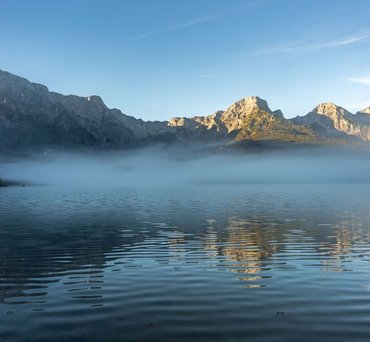
What the Fog on the Water Taught Me About Not Knowing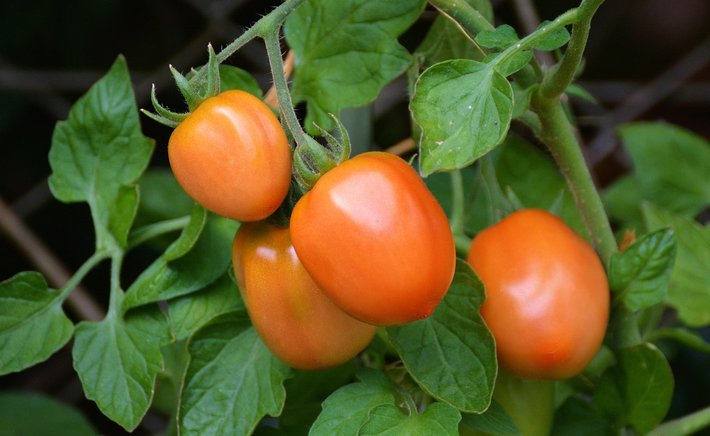
I found it in June, growing out of the compost pile behind the shed. A tomato plant, healthy and green, with a half-dozen yellow flowers already open. I had not planted it. I had not planned for it. It had simply arrived, the way some things do, from a seed that had survived the winter and decided, on its own, to become something.
I am a planner by nature. My garden is laid out on graph paper in February, with rows measured and varieties chosen and companion plants arranged according to a system I read about in a book. I know where everything is supposed to go. I know what is supposed to grow where. And then, every year, something shows up that I did not plan for, and I am reminded that the garden has its own ideas.
The Limits of the Graph Paper
The volunteer tomato was not in the plan. It was growing in the wrong place, in soil that was not prepared for it, in a spot I had reserved for nothing at all. I considered pulling it. That is what you are supposed to do with volunteers, or at least that is what the books say, because they can carry disease and they compete with your carefully chosen plants for water and nutrients.
But I didn't pull it. I am not sure why. Maybe because it looked so determined. Maybe because I was tired of making decisions. Maybe because I had spent the spring losing things I had planned for, and I wanted to see what would happen if I let something unplanned have a chance.
So I let it grow. I gave it a cage when it got tall enough to need one. I watered it when the summer got dry. I did not fuss over it the way I fussed over the tomatoes in the main garden, the ones I had started from seed in February and tended for months. I just let it be.
What Grew Without My Help
By August, the volunteer was the biggest tomato plant I had. It sprawled over the side of the compost pile, its vines heavy with fruit, and the fruit was better than anything in the main garden. Bigger, sweeter, more abundant. I gave tomatoes away to neighbors, and I still had more than I could eat. I made sauce, and I froze some, and I ate them sliced with salt and olive oil, standing in the kitchen, the way you eat the best things.
I don't know what variety it was. I don't know where the seed came from, exactly, though I suspect it was a cherry tomato from the year before, or maybe a Roma, or maybe something I bought at the farmers market and forgot about. It doesn't matter. What matters is that it grew, without my planning, without my graph paper, without any of the effort I had put into the garden I had designed.
I have thought about that volunteer tomato a lot since. About how much of my life is graph paper, and how much of it is compost. About how the best things often arrive unplanned, in the wrong place, without permission. About how trust is not the same as control, and how the soil knows things I do not.
The next spring, I will make my graph paper again. I will plan my rows and choose my varieties and do all the things a good gardener is supposed to do. But I will also leave a corner of the compost pile alone, just in case. Just in case something wants to grow there, on its own, without my help. I have learned to leave room for the unplanned. The unplanned, it turns out, often knows better than I do.
Author
22 feb,2025
This incident opened my eyes to the value of Insurance in general, so I decided to examine my personal and business insurance.
Comment (3)
The payments are made directly from one person to another without passing through a central bank or clearing house.
22 feb,2025
ReplyThe Winter the Lake Froze and I Learned to Wait
23 feb,2025
ReplyThe Sound of Rain on a Tin Roof and Other Small Mercies
23 feb,2025
Reply